


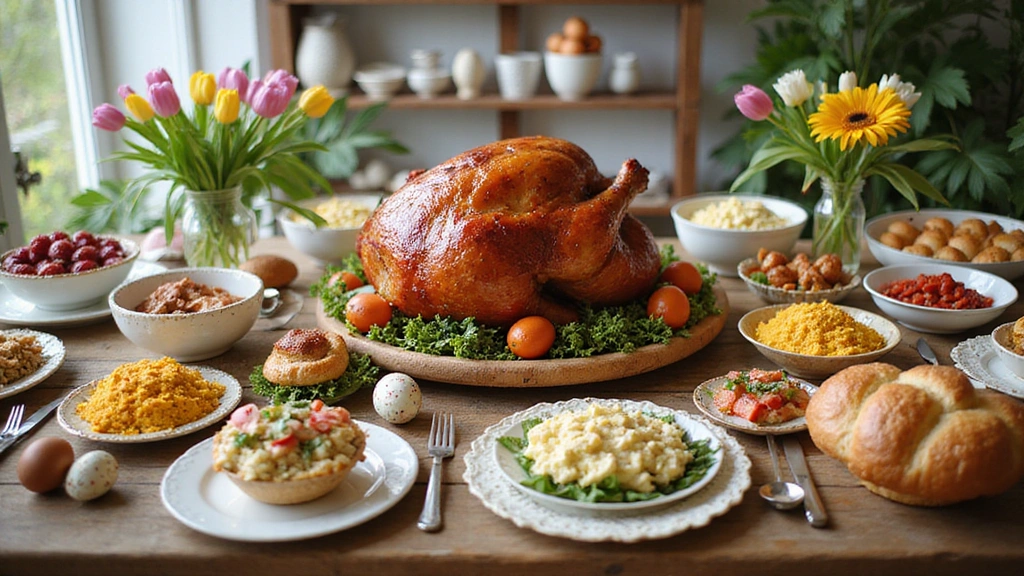
Easter is a time of joy, family gatherings, and delicious meals that bring everyone together.
In various cultures around the world, this season is marked by unique culinary traditions that celebrate both the holiday and family bonds.
Join us on a flavorful journey as we explore twelve traditional Easter recipes that are perfect for celebrating with loved ones. From sweet delights to savory dishes, these recipes embody the essence of Easter and invite you to create lasting memories around the table.
Contents
- 1. Hot Cross Buns – A British Tradition
- 2. Pashka – A Russian Easter Delight
- 3. Colomba di Pasqua – Italian Easter Dove Cake
- 4. Matzah Ball Soup – A Jewish Tradition
- 5. Bunuelos – A Latin Delight
- 6. Tsoureki – A Greek Easter Bread
- 7. Babka – A Polish Sweet Bread
- 8. Koulourakia – Greek Easter Cookies
- 9. Simnel Cake – A British Tradition
- 10. Easter Pie – A Traditional Italian Dish
- 11. Chervil Soup – A French Spring Dish
- 12. Easter Egg Cookies – A Sweet Family Craft
1. Hot Cross Buns – A British Tradition

Hot Cross Buns are a classic Easter treat in the UK, known for their spiced flavor and distinctive cross on top.
These sweet, soft rolls are typically made with currants and spices, creating a delightful aroma that fills the home. They are traditionally eaten on Good Friday, symbolizing the end of Lent and the start of Easter celebrations.
Making Hot Cross Buns is a wonderful family activity, allowing everyone to participate in mixing, kneading, and decorating the rolls. Enjoy them fresh out of the oven, toasted with butter, or even as a decadent French toast the next day.
Recipe Overview:
– Servings: 12
– Prep Time: 2 hours
– Cook Time: 20 minutes
– Total Time: 2 hours 20 minutes
– Calories: 210 per bun
Nutrition Information:
– Total Fat: 5g
– Saturated Fat: 2g
– Carbohydrates: 36g
– Protein: 5g
– Fiber: 1g
Ingredients:
– 4 cups all-purpose flour
– 1 packet (2 1/4 tsp) active dry yeast
– 1/4 cup sugar
– 1 tsp cinnamon
– 1/2 tsp nutmeg
– 1 tsp salt
– 1 1/4 cups milk
– 1/4 cup butter, melted
– 2 eggs
– 1 cup currants or raisins
– For the glaze: 1/4 cup apricot jam, 1 tbsp water
Step-by-Step Instructions:
1. In a small bowl, mix the yeast with warm milk and sugar. Let it sit for 10 minutes until frothy.
2. In a large bowl, combine flour, spices, and salt. Make a well in the center and add the yeast mixture, melted butter, and eggs.
3. Mix until a dough forms, then knead for about 10 minutes until smooth.
4. Add currants and knead until evenly distributed.
5. Place the dough in a greased bowl, cover, and let rise for 1 hour.
6. Preheat the oven to 375°F (190°C).
7. Punch down the dough, divide into 12 pieces, and shape into buns. Place on a baking sheet lined with parchment paper.
8. Use a sharp knife to cut a cross on top of each bun.
9. Bake for 20 minutes until golden brown.
10. For the glaze, heat apricot jam and water until melted, then brush over the warm buns.
Tips:
– For extra flavor, add orange zest to the dough.
– Serve with butter or cream cheese for a delicious treat.
Frequently Asked Questions:
– Can I make these ahead? Yes, they can be frozen after baking and reheated.
– Can I use different fruits? Yes, feel free to use dried cherries or cranberries!
Conclusion: Hot Cross Buns are not just a treat; they’re a celebration of family and tradition, making them a perfect addition to your Easter festivities.
2. Pashka – A Russian Easter Delight

Pashka is a traditional Russian dessert made to celebrate Easter, representing the joy of the resurrection.
This creamy, rich cheese dessert is often molded into a pyramid shape and decorated with religious symbols, making it a centerpiece for the festive table. The combination of farmer’s cheese, butter, and sugar yields a rich flavor, while the addition of dried fruits and nuts gives it a delightful texture.
Families gather to create Pashka, sharing stories and laughter as they mix the ingredients and prepare the dessert. It’s typically served alongside kulich, a sweet bread, making for a perfect Easter pairing.
Recipe Overview:
– Servings: 8
– Prep Time: 30 minutes
– Cook Time: 0 minutes
– Total Time: 30 minutes
– Calories: 350 per serving
Nutrition Information:
– Total Fat: 25g
– Saturated Fat: 15g
– Carbohydrates: 22g
– Protein: 10g
– Fiber: 1g
Ingredients:
– 1 lb farmer’s cheese
– 1/2 cup unsalted butter, softened
– 1 cup powdered sugar
– 1/2 cup heavy cream
– 1/2 cup mixed dried fruits (raisins, apricots, cherries)
– 1/4 cup chopped nuts (almonds, walnuts)
– 1 tsp vanilla extract
– Pinch of salt
Step-by-Step Instructions:
1. In a large mixing bowl, blend the farmer’s cheese and butter until smooth.
2. Gradually add powdered sugar and mix until fully incorporated.
3. Stir in heavy cream, vanilla extract, and salt.
4. Fold in dried fruits and nuts.
5. Line a mold with cheesecloth and fill it with the cheese mixture.
6. Cover with cheesecloth and place a weight on top.
7. Refrigerate for at least 6 hours or overnight for best results.
8. Unmold the Pashka and decorate with nuts and dried fruits as desired.
Tips:
– Use a decorative mold for a beautiful presentation.
– Allow it to sit at room temperature for a bit before serving for a softer texture.
Frequently Asked Questions:
– Can I make this vegan? Yes, substitute with vegan cream cheese and butter.
– How long can I store Pashka? It lasts up to a week in the refrigerator.
Conclusion: Pashka is not only a dessert but a tradition that brings families together during Easter, making it a sweet end to your holiday meal.
3. Colomba di Pasqua – Italian Easter Dove Cake

Colomba di Pasqua, or Easter Dove Cake, is a traditional Italian treat that symbolizes peace and hope.
This sweet, yeast-leavened cake is shaped like a dove and often topped with almond glaze and sugar. Its soft, fluffy texture and rich flavor come from the inclusion of candied orange peel and almonds, making it a delightful addition to any Easter celebration.
Baking this cake can be a family affair, with everyone pitching in to shape the dough and prepare the decorations. Sharing slices of Colomba with loved ones is a cherished tradition that brings a sense of joy and togetherness during the holiday.
Recipe Overview:
– Servings: 10
– Prep Time: 3 hours
– Cook Time: 45 minutes
– Total Time: 3 hours 45 minutes
– Calories: 400 per slice
Nutrition Information:
– Total Fat: 15g
– Saturated Fat: 5g
– Carbohydrates: 60g
– Protein: 8g
– Fiber: 2g
Ingredients:
– 4 cups all-purpose flour
– 1 packet (2 1/4 tsp) active dry yeast
– 1/2 cup sugar
– 1/2 cup unsalted butter, softened
– 3 eggs
– 1 cup milk, warmed
– 1/2 cup candied orange peel
– 1/4 cup slivered almonds
– For the glaze: 1/2 cup powdered sugar, 1 egg white, sliced almonds
Step-by-Step Instructions:
1. In a small bowl, dissolve yeast in warm milk with a pinch of sugar. Let it sit for 10 minutes.
2. In a large bowl, mix flour, sugar, and salt. Make a well and add the yeast mixture, butter, and eggs.
3. Knead the dough until smooth, about 10 minutes.
4. Fold in candied orange peel and slivered almonds.
5. Place dough in a greased bowl, cover, and let rise for 2 hours.
6. Preheat the oven to 350°F (175°C).
7. Shape the dough into a dove shape and place it on a baking sheet.
8. Brush with egg white and sprinkle with sliced almonds.
9. Bake for 45 minutes until golden brown.
10. Let cool before slicing and serving.
Tips:
– For extra flavor, add a splash of orange liqueur to the dough.
– Store in an airtight container to keep it fresh.
Frequently Asked Questions:
– Can I freeze Colomba? Yes, it freezes well if wrapped properly.
– What can I serve with this cake? Pair it with coffee or tea for a delightful experience.
Conclusion: Colomba di Pasqua is a delicious way to celebrate Easter, bringing families together with its rich flavors and festive shape.
4. Matzah Ball Soup – A Jewish Tradition

Matzah Ball Soup is a beloved dish during Passover, symbolizing comfort and family unity.
This hearty soup features fluffy matzah balls served in a flavorful broth, often accompanied by carrots and celery. It’s a staple at Jewish holiday tables, especially during Passover, and is enjoyed by families as they gather to celebrate traditions.
Making matzah balls can be a fun activity, and each family often has its unique recipe or secret ingredient. The warmth of the soup and the love that goes into making it make it a cherished dish during Easter celebrations.
Recipe Overview:
– Servings: 6
– Prep Time: 30 minutes
– Cook Time: 45 minutes
– Total Time: 1 hour 15 minutes
– Calories: 250 per serving
Nutrition Information:
– Total Fat: 10g
– Saturated Fat: 2g
– Carbohydrates: 30g
– Protein: 8g
– Fiber: 2g
Ingredients:
– 1 cup matzah meal
– 4 eggs
– 1/4 cup vegetable oil
– 1/4 cup water or broth
– Salt and pepper to taste
– 8 cups chicken or vegetable broth
– 2 carrots, diced
– 2 celery stalks, diced
Step-by-Step Instructions:
1. In a bowl, mix matzah meal, eggs, oil, water, salt, and pepper until combined.
2. Refrigerate the mixture for 30 minutes.
3. In a large pot, bring broth to a boil and add carrots and celery.
4. Wet your hands and form the matzah mixture into balls.
5. Gently drop the balls into the boiling broth.
6. Reduce heat and simmer for 30 minutes until the matzah balls are cooked through.
7. Serve hot, garnished with fresh herbs if desired.
Tips:
– For lighter matzah balls, add a bit of seltzer to the mixture.
– Use homemade broth for the best flavor.
Frequently Asked Questions:
– Can I make these vegan? Yes, substitute eggs with a flaxseed mixture.
– How long can I store leftovers? They last up to 3 days in the refrigerator.
Conclusion: Matzah Ball Soup is a warm and comforting dish that brings families together during Easter, honoring tradition and creating lasting memories.
5. Bunuelos – A Latin Delight

Bunuelos are sweet, fried dough balls from Latin America, often enjoyed during festive occasions, including Easter.
These golden treats are crispy on the outside and soft on the inside, typically sprinkled with sugar or drizzled with syrup. They are a popular choice for family gatherings, as their sweet flavor appeals to both kids and adults.
Making Bunuelos can be a delightful family activity, where everyone can help shape the dough and fry the treats. The smell of frying Bunuelos wafting through the house is sure to create a festive atmosphere, inviting everyone to the table.
Recipe Overview:
– Servings: 10
– Prep Time: 1 hour
– Cook Time: 30 minutes
– Total Time: 1 hour 30 minutes
– Calories: 150 per bunuelo
Nutrition Information:
– Total Fat: 8g
– Saturated Fat: 1g
– Carbohydrates: 18g
– Protein: 2g
– Fiber: 1g
Ingredients:
– 2 cups all-purpose flour
– 1/2 cup sugar
– 1 tsp baking powder
– 1/2 tsp salt
– 1/2 cup milk
– 2 eggs
– Oil for frying
– Cinnamon sugar for sprinkling
Step-by-Step Instructions:
1. In a bowl, mix flour, sugar, baking powder, and salt.
2. In another bowl, whisk together milk and eggs.
3. Combine wet and dry ingredients, mixing until a soft dough forms.
4. Heat oil in a deep pan over medium heat.
5. Shape the dough into small balls and fry until golden brown on all sides.
6. Remove and drain on paper towels.
7. Roll in cinnamon sugar before serving.
Tips:
– Serve warm for the best flavor.
– Experiment with fillings like cream cheese or fruit for a twist.
Frequently Asked Questions:
– Can I bake these instead? Yes, but they won’t be as crispy.
– How do I store leftovers? Keep in an airtight container for up to 2 days.
Conclusion: Bunuelos are a delightful treat that adds sweetness to your Easter celebration, perfect for sharing with family and friends.
6. Tsoureki – A Greek Easter Bread

Tsoureki is a traditional Greek Easter bread, rich in flavor and often braided into beautiful shapes.
This sweet bread is flavored with spices like mahleb and mastic, giving it a unique taste that is both aromatic and comforting. Tsoureki is often adorned with colored eggs, symbolizing new life, making it a meaningful addition to the Easter table.
Baking Tsoureki is a wonderful family tradition, with many households gathering to shape the dough and decorate the bread together. The sweet aroma of baking bread fills the home, creating a warm and inviting atmosphere for Easter celebrations.
Recipe Overview:
– Servings: 12
– Prep Time: 2 hours
– Cook Time: 40 minutes
– Total Time: 2 hours 40 minutes
– Calories: 300 per slice
Nutrition Information:
– Total Fat: 10g
– Saturated Fat: 5g
– Carbohydrates: 45g
– Protein: 8g
– Fiber: 1g
Ingredients:
– 4 cups all-purpose flour
– 1 packet (2 1/4 tsp) active dry yeast
– 1/2 cup sugar
– 1/2 cup milk, warmed
– 1/2 cup butter, softened
– 3 eggs
– 1 tsp vanilla extract
– 1 tsp mahleb (optional)
– 1 tsp mastic (optional)
– Colored eggs for decoration
Step-by-Step Instructions:
1. In a small bowl, dissolve yeast in warm milk with a pinch of sugar. Let sit for 10 minutes.
2. In a large bowl, mix flour, sugar, and spices. Make a well and add yeast mixture, butter, and eggs.
3. Knead the dough for 10 minutes until smooth.
4. Place in a greased bowl, cover, and let rise for 1 hour.
5. Preheat the oven to 350°F (175°C).
6. Shape the dough into a braid and place on a baking sheet.
7. Press colored eggs into the braid.
8. Bake for 40 minutes until golden brown.
9. Let cool before slicing.
Tips:
– For a more intense flavor, let the dough rise overnight in the fridge.
– Enjoy with honey or butter for a delightful treat.
Frequently Asked Questions:
– Can I make this ahead? Yes, it freezes well.
– What can I serve with Tsoureki? Pair it with coffee or tea for a delightful experience.
Conclusion: Tsoureki is not only delicious but also a beautiful symbol of Easter, perfect for sharing and celebrating with family.
7. Babka – A Polish Sweet Bread

Babka is a rich, sweet bread that is a staple in many Eastern European households, especially during Easter.
This delightful bread is often swirled with chocolate or cinnamon, creating a beautiful marbled effect. The process of making Babka is an enjoyable family activity, as everyone can help with the kneading and shaping of the dough. Enjoying slices of warm Babka with family is a comforting tradition that adds sweetness to the Easter celebration.
Recipe Overview:
– Servings: 10
– Prep Time: 2 hours
– Cook Time: 45 minutes
– Total Time: 2 hours 45 minutes
– Calories: 350 per slice
Nutrition Information:
– Total Fat: 15g
– Saturated Fat: 5g
– Carbohydrates: 50g
– Protein: 8g
– Fiber: 1g
Ingredients:
– 4 cups all-purpose flour
– 1 packet (2 1/4 tsp) active dry yeast
– 1/2 cup sugar
– 1/2 cup milk, warmed
– 1/2 cup unsalted butter, softened
– 3 eggs
– 1/2 cup cocoa powder or cinnamon
– 1/4 cup powdered sugar for dusting
Step-by-Step Instructions:
1. In a small bowl, dissolve yeast in warm milk with a pinch of sugar. Let sit for 10 minutes.
2. In a large bowl, mix flour, sugar, and salt. Make a well and add yeast mixture, butter, and eggs.
3. Knead the dough until smooth, about 10 minutes.
4. Roll out the dough into a rectangle and spread with cocoa powder or cinnamon.
5. Roll the dough tightly into a log and slice in half lengthwise.
6. Twist the two halves together and place in a greased loaf pan.
7. Let rise for 1 hour.
8. Preheat the oven to 350°F (175°C) and bake for 45 minutes until golden brown.
9. Allow to cool and dust with powdered sugar before serving.
Tips:
– For a richer Babka, use chocolate ganache as a filling.
– Serve warm with coffee or tea for a delightful treat.
Frequently Asked Questions:
– Can I make this ahead? Yes, it keeps well for a few days.
– What can I serve with Babka? It pairs wonderfully with hot beverages.
Conclusion: Babka is a sweet tradition that makes Easter celebrations even more special, perfect for sharing with family and friends.
8. Koulourakia – Greek Easter Cookies

Koulourakia are traditional Greek cookies that are often baked for Easter celebrations.
These delightful cookies are shaped into twists or braids and have a buttery, slightly sweet flavor. They are perfect for dipping in coffee or enjoying as a snack throughout the day. Koulourakia can be made with various flavors, like orange or vanilla, making them versatile and appealing to many tastes.
Baking these cookies together as a family is a great way to bond, share stories, and enjoy the delicious aroma wafting through the kitchen.
Recipe Overview:
– Servings: 24
– Prep Time: 1 hour
– Cook Time: 20 minutes
– Total Time: 1 hour 20 minutes
– Calories: 100 per cookie
Nutrition Information:
– Total Fat: 5g
– Saturated Fat: 2g
– Carbohydrates: 12g
– Protein: 1g
– Fiber: 0g
Ingredients:
– 4 cups all-purpose flour
– 1 cup unsalted butter, softened
– 1 cup sugar
– 2 eggs
– 1 tsp vanilla extract
– 1/2 cup milk
– 1 tsp baking powder
– 1 egg for egg wash
Step-by-Step Instructions:
1. In a bowl, cream together the butter and sugar until light and fluffy.
2. Beat in eggs and vanilla extract.
3. In another bowl, mix flour and baking powder.
4. Gradually add the flour mixture to the butter mixture, alternating with milk.
5. Preheat the oven to 350°F (175°C).
6. Shape the dough into desired shapes and place on a lined baking sheet.
7. Brush with egg wash for a golden color.
8. Bake for 20 minutes until lightly golden.
9. Allow to cool before serving.
Tips:
– Experiment with different flavors by adding citrus zest or spices.
– Store in an airtight container for freshness.
Frequently Asked Questions:
– Can I freeze these cookies? Yes, they freeze well for up to a month.
– What can I serve with Koulourakia? They pair wonderfully with coffee or tea.
Conclusion: Koulourakia are a delightful addition to your Easter celebrations, bringing sweetness and joy to your family gatherings.
9. Simnel Cake – A British Tradition

Simnel Cake is a light fruitcake that holds a special place in British Easter traditions.
Traditionally decorated with eleven marzipan balls representing the apostles (excluding Judas), this cake combines a rich flavor with a tender texture. Simnel Cake is often enjoyed during Easter Sunday celebrations, serving as a delightful centerpiece on the holiday table.
Baking this cake can be a fun family tradition, with everyone getting involved in mixing the ingredients and decorating with marzipan. Sharing slices of Simnel Cake with loved ones creates cherished memories that last a lifetime.
Recipe Overview:
– Servings: 12
– Prep Time: 1 hour
– Cook Time: 1 hour
– Total Time: 2 hours
– Calories: 350 per slice
Nutrition Information:
– Total Fat: 14g
– Saturated Fat: 3g
– Carbohydrates: 50g
– Protein: 5g
– Fiber: 1g
Ingredients:
– 1 cup unsalted butter, softened
– 1 cup sugar
– 4 eggs
– 2 cups mixed dried fruits
– 2 cups all-purpose flour
– 1 tsp baking powder
– 1/2 tsp salt
– 1/2 cup marzipan
– For decoration: additional marzipan balls
Step-by-Step Instructions:
1. Preheat the oven to 350°F (175°C) and grease a round cake pan.
2. In a bowl, cream together butter and sugar until light and fluffy.
3. Beat in eggs one at a time.
4. In another bowl, mix flour, baking powder, and salt.
5. Gradually add dry ingredients to the wet mixture, mixing until just combined.
6. Fold in dried fruits.
7. Pour half the batter into the prepared pan.
8. Roll out marzipan and place it over the batter, then add the remaining batter on top.
9. Bake for 1 hour until golden brown.
10. Let cool and decorate with marzipan balls before serving.
Tips:
– Use seasonal fruits for a fresher flavor.
– Store in an airtight container to keep it moist.
Frequently Asked Questions:
– Can I make this ahead? Yes, it keeps well for several days.
– What can I serve with Simnel Cake? It pairs well with tea or coffee.
Conclusion: Simnel Cake is a delightful tradition that adds sweetness and meaning to your Easter celebrations, perfect for sharing with family and friends.
10. Easter Pie – A Traditional Italian Dish

Easter Pie, or Pizza di Pasqua, is a savory Italian dish that is often enjoyed during Easter celebrations.
This pie features a rich filling made with ricotta cheese, eggs, and various meats, all encased in a flaky pastry crust. It’s a unique dish that represents the abundance of the season and is often shared among family and friends during the holiday.
Making Easter Pie can be a fun family project, with everyone getting involved in preparing the filling and shaping the crust. Served warm or at room temperature, it’s a savory delight that makes Easter meals memorable.
Recipe Overview:
– Servings: 8
– Prep Time: 1 hour
– Cook Time: 1 hour
– Total Time: 2 hours
– Calories: 400 per slice
Nutrition Information:
– Total Fat: 25g
– Saturated Fat: 10g
– Carbohydrates: 30g
– Protein: 15g
– Fiber: 1g
Ingredients:
– 2 cups all-purpose flour
– 1/4 cup olive oil
– 1/2 cup water
– 1 tsp salt
– 1 cup ricotta cheese
– 2 eggs
– 1 cup diced cooked ham
– 1/2 cup grated Parmesan cheese
– Black pepper to taste
Step-by-Step Instructions:
1. In a bowl, combine flour, olive oil, water, and salt to form a dough.
2. Roll out the dough and fit it into a pie dish.
3. In another bowl, mix ricotta, eggs, ham, Parmesan, and black pepper until well combined.
4. Pour the filling into the pie crust.
5. Roll out a second layer of dough and place over the filling.
6. Seal the edges and cut slits for steam to escape.
7. Preheat the oven to 375°F (190°C).
8. Bake for 1 hour until golden brown.
9. Let cool slightly before slicing and serving.
Tips:
– Serve with a side salad for a complete meal.
– This pie can be made ahead and served cold or warm.
Frequently Asked Questions:
– Can I make this vegetarian? Yes, substitute meats with vegetables or additional cheese.
– How long can leftovers last? They can be kept in the refrigerator for up to 3 days.
Conclusion: Easter Pie is a savory delight that brings families together during the holiday, celebrating the richness of the season.
11. Chervil Soup – A French Spring Dish

Chervil Soup is a light, flavorful dish that celebrates the arrival of spring, making it a perfect addition to Easter meals.
This vibrant green soup is made with fresh chervil, potatoes, and leeks, creating a deliciously herbaceous flavor. It’s a wonderful way to incorporate seasonal ingredients into your Easter celebrations, bringing freshness and brightness to the table.
Making Chervil Soup can be a delightful family experience, especially as everyone can help in washing and chopping the vegetables. The soup is typically served warm with a dollop of cream, making it a comforting yet elegant dish for your holiday feast.
Recipe Overview:
– Servings: 6
– Prep Time: 20 minutes
– Cook Time: 30 minutes
– Total Time: 50 minutes
– Calories: 150 per serving
Nutrition Information:
– Total Fat: 5g
– Saturated Fat: 2g
– Carbohydrates: 20g
– Protein: 4g
– Fiber: 3g
Ingredients:
– 1 onion, diced
– 2 leeks, sliced
– 2 potatoes, diced
– 4 cups vegetable broth
– 2 cups fresh chervil
– 1/2 cup heavy cream
– Salt and pepper to taste
Step-by-Step Instructions:
1. In a large pot, sauté onion and leeks in a bit of olive oil until softened.
2. Add diced potatoes and vegetable broth, then bring to a boil.
3. Reduce heat and simmer for 20 minutes until potatoes are tender.
4. Stir in fresh chervil and cook for an additional 5 minutes.
5. Blend until smooth, then stir in cream and season with salt and pepper.
6. Serve warm, garnished with extra chervil if desired.
Tips:
– For a vegan version, substitute heavy cream with coconut milk.
– Serve with crusty bread for a satisfying meal.
Frequently Asked Questions:
– Can I make this soup ahead? Yes, it can be made a day in advance and reheated.
– Can I use dried chervil? Fresh is best, but dried can work in a pinch.
Conclusion: Chervil Soup is a fresh and flavorful addition to your Easter table, bringing the taste of spring into your family celebrations.
12. Easter Egg Cookies – A Sweet Family Craft

Easter Egg Cookies are a fun and creative way to celebrate the holiday with family, combining baking with decorating.
These sugar cookies are shaped like eggs and can be decorated with colorful icing and sprinkles, making them a hit with kids and adults alike. Baking and decorating these cookies together is a wonderful way to bond as a family, sharing laughter and creativity in the kitchen.
After baking, the cookies can be packaged as gifts or used as decorations for your Easter celebration, adding a sweet touch to the festivities.
Recipe Overview:
– Servings: 24
– Prep Time: 1 hour
– Cook Time: 10 minutes
– Total Time: 1 hour 10 minutes
– Calories: 120 per cookie
Nutrition Information:
– Total Fat: 6g
– Saturated Fat: 3g
– Carbohydrates: 15g
– Protein: 1g
– Fiber: 0g
Ingredients:
– 3 cups all-purpose flour
– 1 cup unsalted butter, softened
– 1 cup sugar
– 2 eggs
– 1 tsp vanilla extract
– 1 tsp baking powder
– Icing and decorations (colorful sprinkles, edible glitter)
Step-by-Step Instructions:
1. Preheat the oven to 350°F (175°C) and line baking sheets with parchment paper.
2. In a large bowl, cream together butter and sugar until light and fluffy.
3. Beat in eggs and vanilla extract.
4. In another bowl, mix flour and baking powder.
5. Gradually add the dry ingredients to the wet mixture until combined.
6. Roll out the dough on a floured surface and cut into egg shapes.
7. Place on the prepared baking sheets and bake for 10 minutes until lightly golden.
8. Let cool before decorating with icing and sprinkles.
Tips:
– Use gel food coloring for vibrant icing.
– Get creative with different designs and patterns.
Frequently Asked Questions:
– Can I use store-bought icing? Yes, but homemade icing adds a personal touch.
– How do I store decorated cookies? Keep them in an airtight container to maintain freshness.
Conclusion: Easter Egg Cookies are a delightful way to celebrate the holiday, encouraging creativity and family bonding during the baking process.
Conclusion

Easter is a time to come together as a family, celebrating traditions and creating delicious memories around the table.
These twelve recipes not only showcase the flavors of Easter from around the world but also invite you to engage in the joy of cooking and sharing with loved ones.
As you prepare these dishes, may you find joy in every moment spent together, creating a beautiful tapestry of culinary traditions that will be cherished for years to come.

Deja un comentario